

Sector Allocation Basics: Understanding Defensive, Cyclical, and Sensitive Businesses
How to Group Companies for Smarter Investing Decisions

Companies are categorized into eleven sectors. Grouping these sectors can be helpful in understanding how and why stocks in the same market perform differently.
What Are Sectors?
Sectors are groups of companies that operate in similar industries. Companies within the same sector share common risks, customer bases, and may even engage in business with each other.
In essence, businesses in a sector represent individuals living in the same village.
The information technology sector, comprising companies like Apple, Salesforce, and Qualcomm, has been an exciting field for the past few years. This sector has been driven by advancements in hardware, software, and now artificial intelligence.
In total there are 11 sectors that encompass all the companies that exist in the world. In the United States the largest sectors are information technology, financials, consumer discretionary, and communication services. These cover everyday names like Amazon, JP Morgan, Tesla, and Verizon.
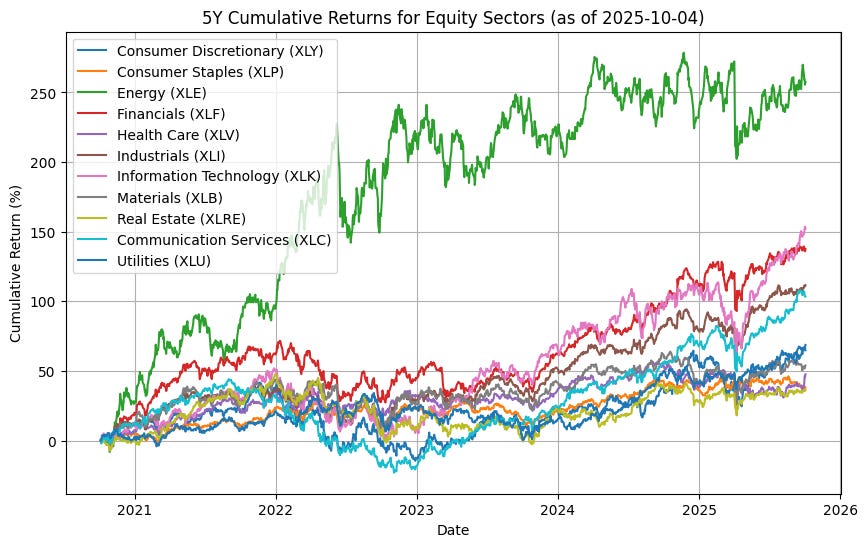
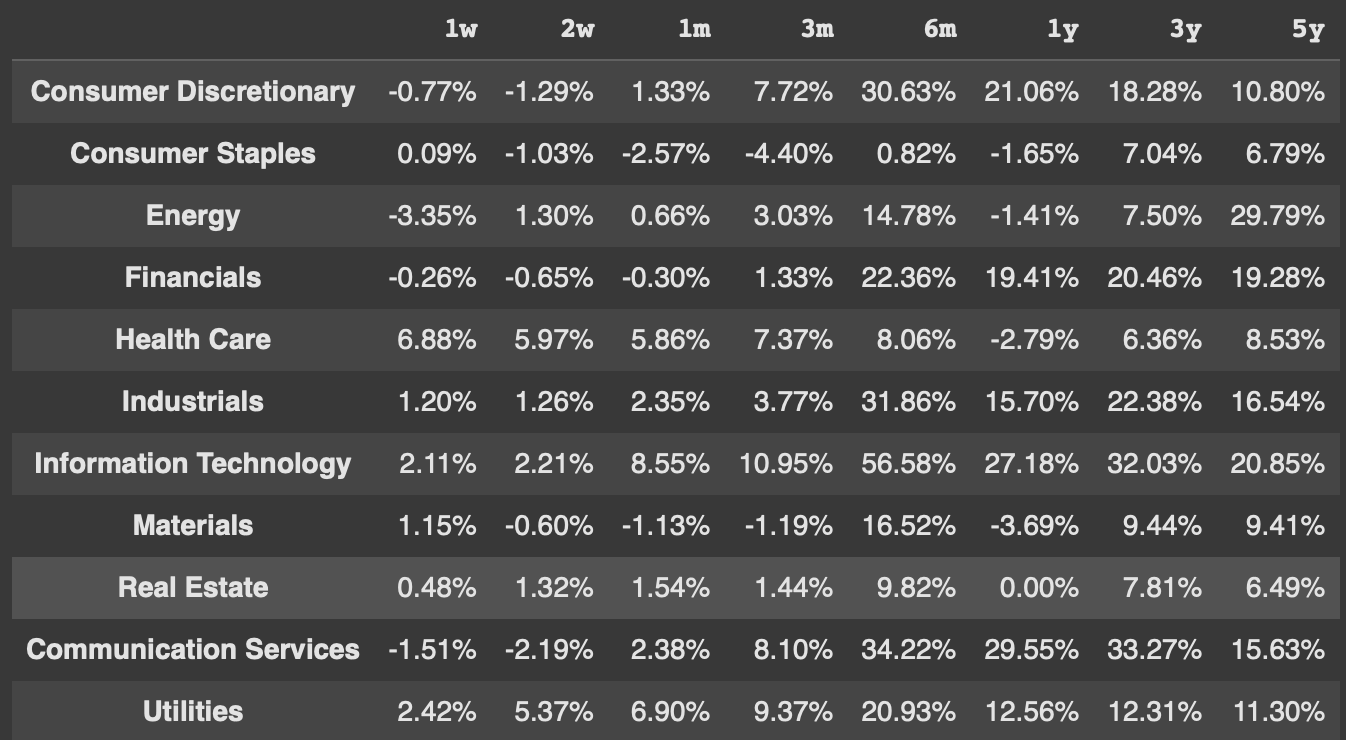
Energy has had a hell of a run the last five years after hitting a bottom when oil and gas prices plummeted during the COVID-19 pandemic.
In future posts, we’ll delve into the intricacies of each sector. For now, we’ll focus on practical thinking about these sectors without getting bogged down in the details of each one.
Why Group The Sectors?
The first step in understanding the 11 sectors is to group them based on how they react to changes in the economy. This will help us predict and understand how they react to economic changes.
A Ferrari is ideal for high-speed driving, but a Honda is better for the daily commute. In investing, the “best” sector depends on the road conditions.
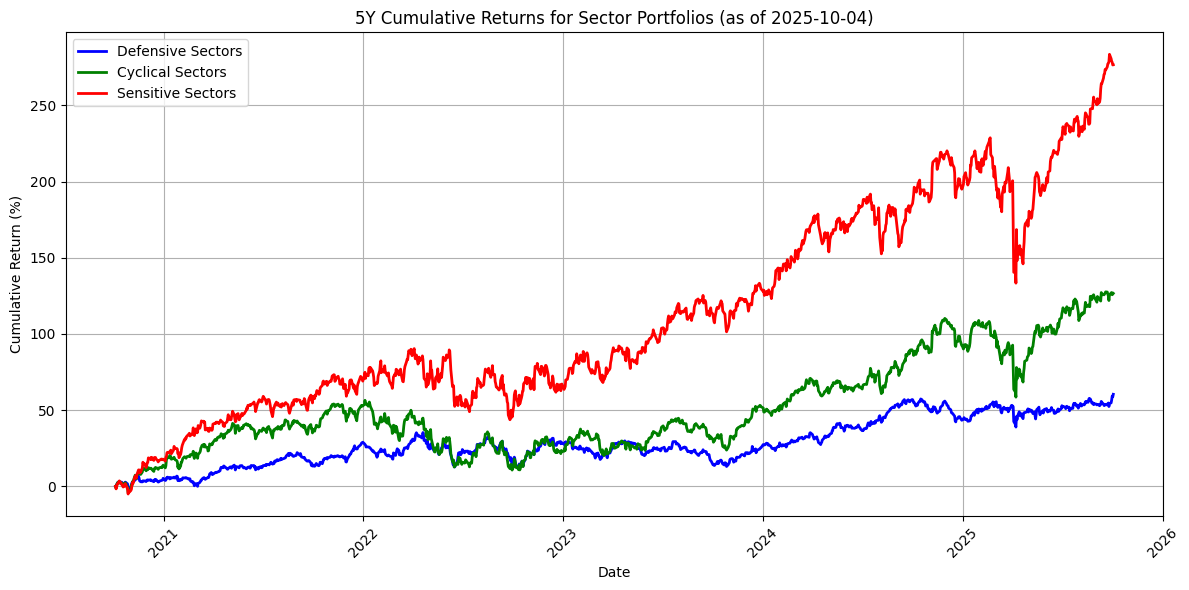

Some sectors remain stable even during economic fluctuations, while others are highly volatile. Understanding their behavior is crucial for diversification and risk management. We’ll group the sectors into defensive, cyclical and sensitive.
Defensive Sectors: Stability in Tough Times
Defensive sectors, such as utilities, consumer staples, and healthcare, offer essential goods and services that are less susceptible to economic downturns.
These are the things we can’t live without, like food, medicine, and power.
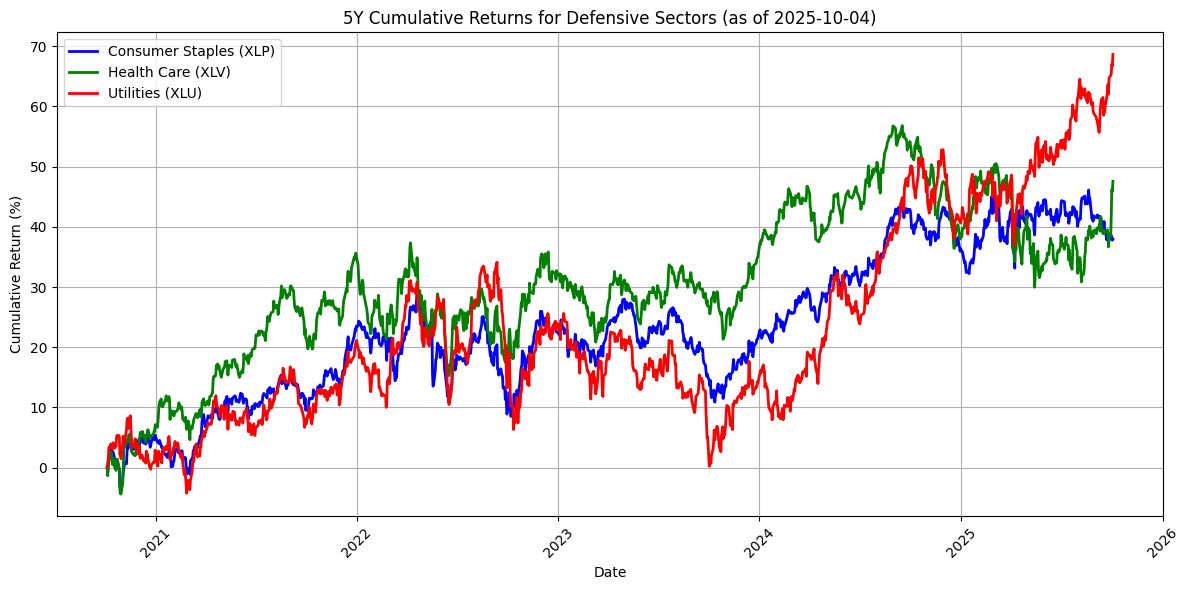
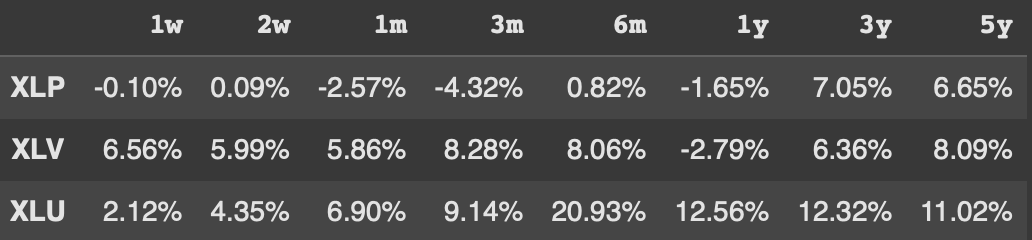
Key characteristics of these stocks include stable earnings, lower volatility, and the tendency to pay dividends. While growth may be lower, dividends ensure that shareholders get cash in their pocket no matter what the stock price is.
Dividends are cash payments to stock owners
Investors often include these stocks in their portfolios for added safety when they’re uncertain about the economy.
Cyclical Sectors: Riding Economic Waves
Cyclical sectors, such as financials (banks) and materials (construction), are closely tied to economic fluctuations. They experience significant growth during prosperous times and decline during challenging periods.
Every “crash” can typically be tied to one of these sectors (especially financials)
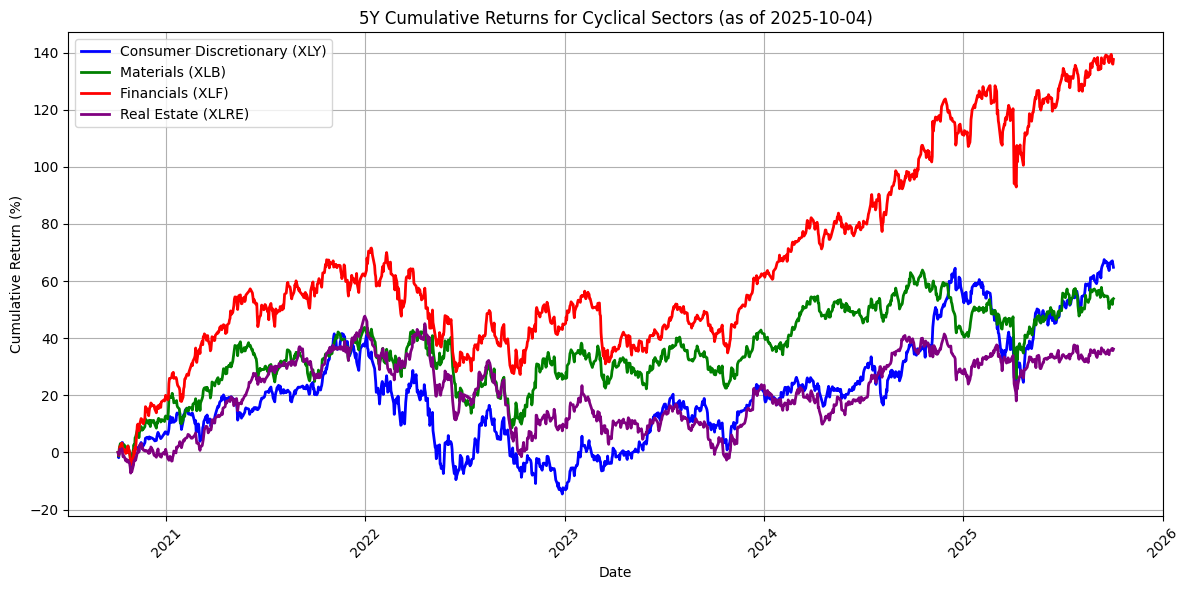
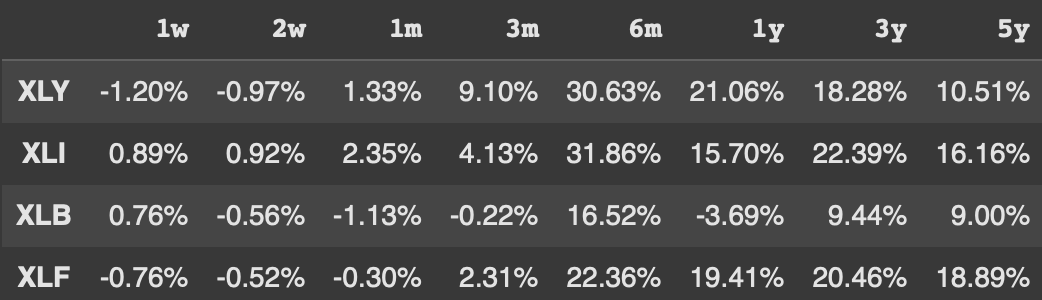
Key characteristics of the cyclical sector include its strong correlation with economic cycles. Consumer spending also significantly influences the performance of this sector.
The cyclical sectors are most attractive during economic recoveries, performing well amidst robust growth. Nonetheless, slowdowns can lead to sharp declines and losses.
When there’s job growth, people tend to buy homes, cars and shoes, generating lots of profits for companies like Wells Fargo, Tesla, and Nike. However, these purchases grind to a halt when times get tough.
Sensitive Sectors: Growth with Volatility
Sensitive sectors have a blend of growth potential and moderate vulnerability to economic fluctuations.
These sectors are a sort of “middle-way.” More volatile than defensives but with more stable demand than cyclicals.
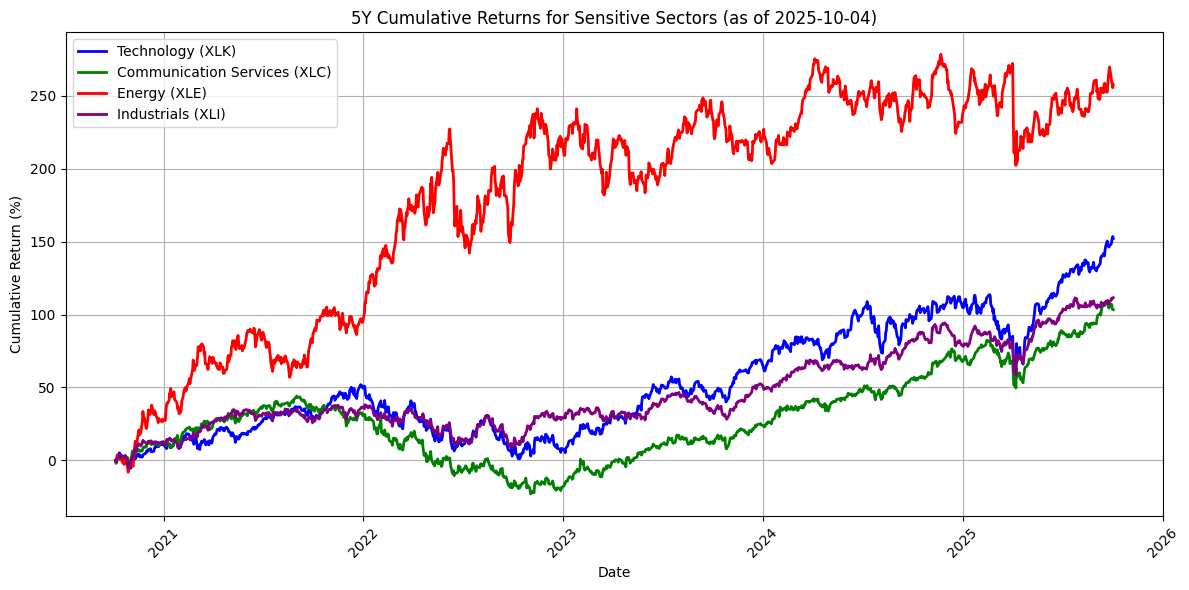
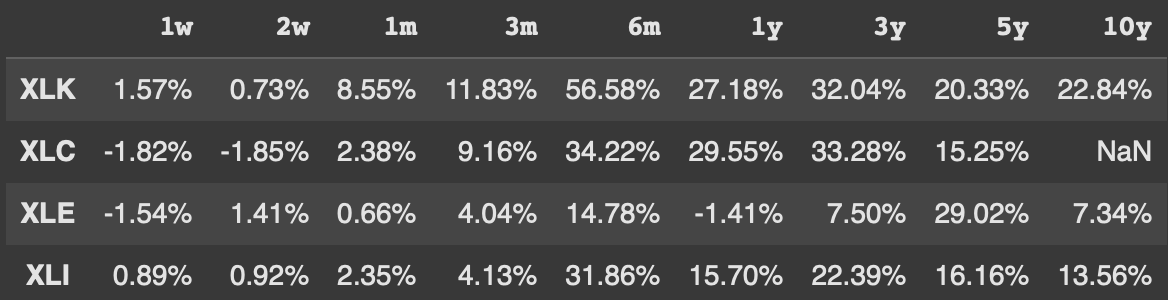
Sensitive sectors demonstrate substantial growth potential yet face heightened volatility in uncertain economic climates. These sectors are moderately influenced by macroeconomic shifts, such as GDP growth and rising interest rates.
During periods of robust industrial activity, technological innovation, or elevated consumer confidence, businesses and individuals channel investments into energy solutions (e.g., Shell), advanced machinery (e.g., Caterpillar), and digital infrastructure (e.g., Apple), driving significant profitability.
Sensitive sectors are particularly attractive during times of economic stability, thriving amidst strong industrial demand and technological advancements. However, disruptions such as rising interest rates, escalating costs, or supply chain constraints can lead to weak activity and losses.
Disclaimer
The information provided on Vitr Advisory, including all newsletters, posts, and associated content, is for general informational and educational purposes only. It is not intended to constitute, and should not be construed as, investment advice, financial advice, or a recommendation to buy, sell, hold, or participate in any securities, financial products, or investment markets. The content reflects the general research, analysis, and opinions of Vitr Advisory and is not tailored to any individual’s financial situation, objectives, or risk tolerance.
Investing in securities and other financial instruments involves substantial risk, including the potential for loss of principal. Past performance is not indicative of future results. Readers are solely responsible for conducting their own due diligence and consulting with qualified financial, legal, or tax professionals before making any investment decisions. Vitr Advisory, its affiliates, employees, and contributors make no representations or warranties, express or implied, regarding the accuracy, completeness, or suitability of the information provided and expressly disclaim any liability for losses, damages, or costs arising from the use of or reliance on this content.